
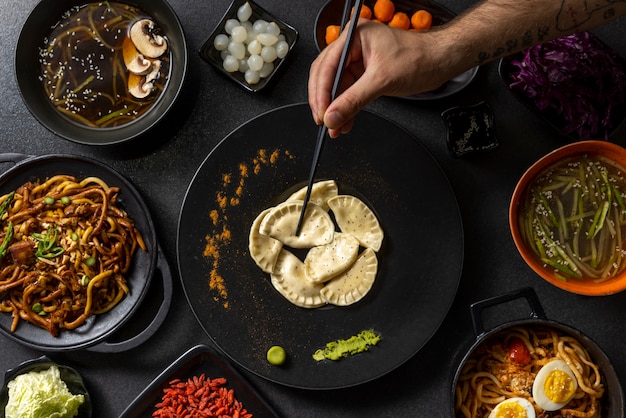
Korean cuisine is a culinary journey that spans centuries, blending tradition with innovation, and embracing flavors from all corners of the world. From the bustling streets of Seoul to the high-end restaurants of New York, Korean street food and fine dining Korean cuisine showcase the vast diversity and depth of this vibrant culinary culture. Whether you’re indulging in the savory delights of a food stall or savoring an exquisite meal in a Michelin-starred restaurant, exploring Korean cooking opens up a world of unique tastes and textures that will delight your senses.
The Allure of Korean Street Food
One of the most exciting ways to experience the heart and soul of Korean cuisine is through its Korean street food. With its rich history and connection to the streets of Seoul, Busan, and beyond, Korean street food offers an unfiltered look at the everyday eating habits of Koreans. From sizzling hot snacks served at night markets to quick bites in subway stations, street food encapsulates the spirit of Korean culture – quick, flavorful, and always satisfying.
One of the most iconic examples of Korean street food is tteokbokki. These chewy rice cakes are drenched in a spicy, sweet, and savory gochujang (chili paste) sauce, making each bite a delightful explosion of flavors. The contrast of the soft rice cakes with the tangy sauce and the occasional boiled egg or fish cake adds layers of texture, making tteokbokki a beloved comfort food among all ages.
Another classic street snack is hotteok, a warm, crispy pancake filled with brown sugar, cinnamon, and chopped nuts. This sweet treat is particularly popular in the winter months, offering both warmth and indulgence in a single bite. The street food scene in Korea is also abundant with kimbap, which can be compared to sushi but is uniquely Korean. Filled with a variety of ingredients like pickled radish, spinach, and sometimes even spicy tuna, kimbap is perfect for a quick and satisfying snack, and it can be found at almost every street corner in Korea.
The beauty of Korean street food lies not only in the bold flavors but in its accessibility. It offers a casual, easy way to experience traditional dishes while providing an avenue for creative twists on classic recipes. Vendors experiment with ingredients and cooking methods, continuously redefining what Korean street food can be. From spicy rice cakes to sweet pancakes, the diverse offerings make it clear that street food is an integral part of Korean food diversity.
The Rise of Fine Dining Korean Cuisine
While Korean street food provides an immediate and hands-on experience of Korea’s food culture, fine dining Korean cuisine presents a more refined approach to the culinary art. The transition from street food to fine dining is a fascinating journey that showcases the versatility and creativity of Korean chefs. High-end restaurants across the globe are embracing the core principles of Korean cuisine while adapting them to suit global palates.
Fine dining Korean cuisine takes traditional recipes and elevates them with sophisticated techniques, quality ingredients, and impeccable presentation. For instance, bibimbap, one of Korea’s most beloved dishes, is typically served in a simple bowl with rice, vegetables, and an egg. But in fine dining establishments, this dish can be transformed into a multi-layered experience, featuring rare ingredients like truffle oil or edible flowers, adding a new layer of elegance to an already iconic dish.
Another example of fine dining Korean cuisine is hanjeongsik, a traditional Korean multi-course meal. This elevated version includes a variety of dishes such as soups, stews, grilled meats, and small side dishes, each meticulously prepared and served with finesse. At upscale Korean restaurants, hanjeongsik is often presented with refined plating, turning what was once a homely meal into a sophisticated culinary experience that emphasizes seasonality and balance.
These upscale interpretations of Korean classics are attracting attention on a global scale, with some of the world’s most renowned chefs experimenting with Korean food diversity. This has led to a surge in the popularity of Korean restaurants worldwide, where contemporary techniques are applied to age-old dishes, creating an entirely new way to experience the rich flavors of Korea.
The Fusion of Tradition and Innovation
What truly sets exploring Korean cooking apart is the marriage of tradition and innovation. Whether it’s the transformation of street food into fine dining or the infusion of international ingredients into classic Korean dishes, Korean chefs have found a way to marry the old and the new. This ability to fuse various influences while staying true to the essence of the cuisine is what makes Korean food diversity so remarkable.
Take, for example, the growing trend of Korean BBQ in fine dining settings. Traditionally a hands-on meal with diners grilling their own meat at the table, Korean BBQ has been adapted by world-class chefs to offer a more refined experience. In these fine dining venues, the meats are often pre-grilled to perfection, served with carefully crafted sauces and garnishes that highlight the flavors in ways you’d never expect at a casual BBQ joint. The addition of upscale ingredients like Wagyu beef or foie gras further elevates the experience, offering a sophisticated twist on a beloved dish.
Similarly, kimchi, the iconic fermented vegetable dish, is no longer confined to the side of the plate in high-end restaurants. Chefs are incorporating kimchi into unexpected dishes, like kimchi-infused risotto or as a topping for gourmet burgers, thus transforming it from a simple condiment to a key ingredient in the flavor profile of a dish.
A Culinary Exploration Like No Other
Korean cuisine is a dynamic fusion of rich tradition and modern creativity, making it one of the most exciting culinary landscapes to explore. From the street food stalls serving hearty, spicy bites to the fine dining restaurants offering a refined take on age-old recipes, Korean cooking never fails to surprise and delight.
Exploring Korean cooking offers endless possibilities for culinary discovery, whether you’re strolling through a Seoul night market or sitting down at a Michelin-starred restaurant in the heart of New York City. The beauty of this cuisine lies in its versatility and ability to evolve while maintaining the deep-rooted flavors and techniques that define it.
The future of Korean food seems brighter than ever. With Korean food diversity continuing to inspire chefs across the globe, both street food and fine dining establishments are capturing the attention of food lovers everywhere. Whether you’re savoring a comforting bowl of tteokbokki or indulging in a sophisticated plate of hanjeongsik, there’s no denying that Korean cooking is a flavor-packed adventure waiting to be discovered.

