
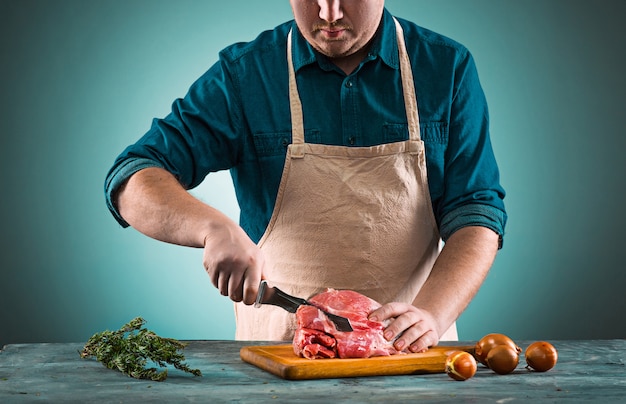
Cooking meat is more than just a way to make it safe to eat—it’s an art that transforms its flavor profile and elevates the dishes in which it’s used. The magic behind cooking meat lies in how the heat interacts with its proteins, fats, and juices. Cooking meat flavors are complex and rich, with each technique contributing a unique character to the final dish. Whether you’re searing a steak, slow-braising a roast, or grilling sausages, the way meat is prepared and cooked can significantly impact how it influences the taste of your entire meal.
The Science Behind Meat Flavor Development
When meat is cooked, its natural proteins and fats break down, resulting in a dramatic shift in flavor. The Maillard reaction, which occurs when meat is exposed to high heat, is one of the key players in meat flavor development. This chemical process creates new flavor compounds, transforming the meat’s natural taste into something deeper and more complex. It’s responsible for that savory, caramelized crust you see on grilled steaks and pan-seared chops.
As heat continues to cook the meat, the breakdown of muscle fibers and collagen also contributes to the change in flavor. This is especially noticeable in tougher cuts of meat that benefit from slow cooking, such as beef brisket or pork shoulder. These cuts release gelatin as they cook, resulting in a rich, mouthwatering flavor that’s impossible to achieve with quicker cooking methods. The gradual transformation of the meat’s texture and flavor during this process is why slow-cooked dishes are often so satisfying.
The Role of Fat in How Meat Affects Dishes
Fat plays an indispensable role in the flavor profile of meat. It carries and enhances flavors, contributing to the juiciness and tenderness of the final dish. As meat cooks, fat melts and infuses the muscle fibers, creating a luscious mouthfeel that is part of the appeal of well-prepared meat.
The type of fat present in different cuts of meat will have an impact on the how meat affects dishes. For example, marbled beef like ribeye or wagyu has a higher fat content than leaner cuts like filet mignon. The fat in these cuts breaks down as the meat cooks, adding a rich, buttery flavor that enhances the entire eating experience. In contrast, leaner cuts like chicken breast or pork tenderloin will have a more subtle flavor, which is why they often benefit from marinades or seasonings that infuse additional layers of taste.
When meat is roasted, grilled, or pan-fried, the fat also helps create a crispy, flavorful exterior. This contrast between the tender, juicy interior and the crispy outer layer adds complexity to the overall flavor and texture of the dish.
Flavor Changes in Meat Cooking Based on Cooking Techniques
Different cooking techniques bring out different flavors in meat. Each method—whether it’s grilling, roasting, braising, or pan-searing—affects how the meat’s natural juices, fats, and proteins interact, leading to unique flavors.
Grilling
Grilling is one of the most popular ways to cook meat, especially when it comes to steaks, burgers, and sausages. The direct heat from the grill sears the meat, locking in its natural juices while creating a smoky, charred flavor. The intense heat also caramelizes the sugars in the meat, resulting in a sweet-savory balance. The smokiness from the grill imparts a distinct flavor that can’t be replicated with other cooking methods, making grilled meat especially rich and robust.
Roasting
Roasting meat, often at a lower temperature, allows for a slower, more even cook. This technique is ideal for larger cuts like roast beef, lamb, and whole chicken. As the meat roasts, the fat slowly melts and coats the meat, ensuring that the flavor is distributed evenly throughout. The skin of the meat crisps up, creating a contrast in texture while enhancing the richness of the flavor. In the case of pork or poultry, roasting also helps caramelize the skin, which is a major contributor to the depth of flavor.
Pan-Searing
Pan-searing meat creates a savory, golden-brown crust that deepens the meat’s flavor. This method is perfect for steaks, chops, and chicken breasts. The high heat causes the Maillard reaction to occur rapidly, resulting in a complex, umami-packed flavor. When you add butter, herbs, or garlic to the pan, the fat absorbs these flavors and infuses the meat, further enhancing its taste.
Slow-Cooking
Slow-cooking is an ideal technique for tougher cuts of meat, like brisket, chuck roast, or lamb shanks. By cooking meat over several hours at a low temperature, the connective tissue breaks down, resulting in a tender, melt-in-your-mouth texture. The slow release of fat and juices enriches the flavor, making it perfect for stews, braises, and casseroles. This method allows the meat to take on the flavors of any accompanying ingredients, such as spices, herbs, or vegetables, resulting in a hearty, well-rounded dish.
How Meat Flavor Development Influences Seasoning
As meat develops flavor through cooking, the use of seasonings can either complement or overpower its natural taste. Salt, pepper, and herbs are commonly used to enhance the natural flavors, but the cooking method itself can also influence the seasoning’s effectiveness.
For example, when cooking meat using dry heat methods like grilling or roasting, seasoning is often applied before cooking to allow it to penetrate the surface. Salt and pepper act as flavor enhancers, bringing out the savory notes of the meat. For slow-cooked dishes, seasoning is typically added in stages, with more complex marinades or spice rubs used to infuse the meat with layers of flavor throughout the long cooking process.
Additionally, sauces and glazes, often added toward the end of cooking, can elevate the flavor of meat. A tangy barbecue sauce, a rich demi-glace, or a simple compound butter all work in tandem with the meat’s inherent flavors to create a balanced and savory final dish.
Final Thoughts
The transformation that occurs when cooking meat is nothing short of remarkable. Cooking meat flavors evolve through techniques like searing, roasting, and slow-cooking, each one bringing out different aspects of the meat’s taste. From the rich caramelization of a grilled steak to the deep, tender flavors of a slow-braised roast, the way meat is prepared significantly influences how it affects the overall dish. Understanding how meat affects dishes and mastering various meat flavor development techniques can make all the difference between an average meal and a culinary masterpiece. So, whether you’re grilling a steak, roasting a chicken, or braising a pot roast, remember that each method offers an opportunity to elevate the flavor and create something truly spectacular.


