
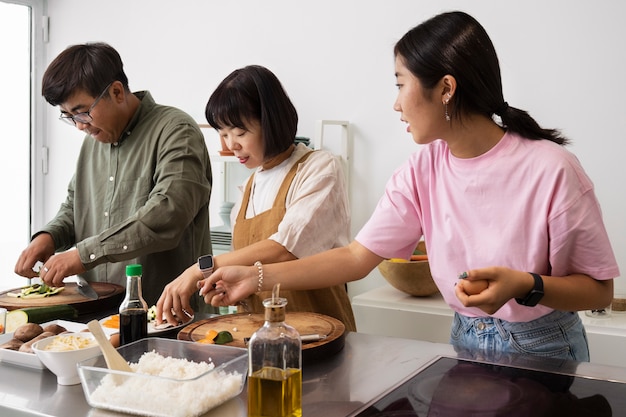
Korean cuisine is a vibrant and flavorful journey of taste that combines bold spices, fresh ingredients, and traditional cooking methods. For those just stepping into the world of Korean cooking, it can seem a bit overwhelming, but with the right Korean cooking guide, you can easily navigate the essentials and start creating delicious Korean meals in no time. This beginner’s guide will break down the Korean cooking basics, offering simple yet flavorful dishes that will leave your taste buds dancing.
Understanding the Core Ingredients
The foundation of Korean cooking lies in a few key ingredients that define its bold and umami-rich flavors. As you begin your cooking adventure, having the right ingredients on hand will make all the difference. The Korean cooking basics include items such as gochujang (fermented chili paste), doenjang (fermented soybean paste), gochugaru (chili flakes), sesame oil, and soy sauce. These items are often used to create marinades, sauces, and the savory broths that Korean meals are known for.
Gochujang is a sweet and spicy paste that adds heat and depth to any dish. It is a must-have for stews like kimchi jjigae (kimchi stew) or for making the classic bibimbap (rice mixed with vegetables and spicy sauce). Similarly, doenjang plays a vital role in giving stews like doenjang jjigae (soybean paste stew) its earthy richness.
Essential Cooking Equipment
While you don’t need a lot of specialized equipment, a few basic tools will make your Korean cooking experience smoother. A stone bowl (dolsot) is perfect for serving hot dishes like bibimbap, where the rice crisps up at the bottom, creating a delightful texture contrast. A hot pot or cast-iron pan is ideal for simmering soups and stews, which are staples of Korean cooking.
A grill pan is essential for making samgyeopsal (grilled pork belly), one of Korea’s most popular dishes, and can also be used for grilling marinated meats for other dishes like bulgogi (marinated beef). Having a wok or a deep skillet will be useful for stir-frying, another key technique in Korean kitchens.
Simple Korean Dishes to Try
For those new to Korean cooking, it’s best to start with some beginner Korean recipes that are simple, delicious, and easy to master. Here are a few dishes to get you started:
1. Bibimbap
A classic dish that’s both hearty and nutritious, bibimbap is a rice-based dish topped with various vegetables, a fried egg, and a generous dollop of gochujang. It’s a perfect starting point for beginners as it allows you to explore different flavors and textures in one bowl. The gochujang sauce brings heat and a hint of sweetness, while the egg and vegetables add richness and freshness.
2. Kimchi Jjigae (Kimchi Stew)
This beloved Korean stew is a comforting dish made with kimchi, tofu, and sometimes pork or beef. The fermentation of the kimchi provides a tangy and umami-packed flavor that makes this stew so special. It’s a one-pot meal that’s easy to prepare and can be adjusted according to your preferred spice level.
3. Japchae (Stir-Fried Glass Noodles)
Japchae is a savory and slightly sweet dish made from stir-fried glass noodles, vegetables, and meat. This dish is a great introduction to Korean stir-frying techniques, and it’s incredibly versatile. You can add a variety of vegetables and proteins like beef, chicken, or tofu, making it adaptable for any preference.
4. Bulgogi (Grilled Marinated Beef)
Bulgogi is one of Korea’s most famous dishes and a great option for beginners looking to explore Korean BBQ at home. The key to making delicious Korean meals like bulgogi is a flavorful marinade made from soy sauce, sesame oil, sugar, garlic, and gochugaru. Simply marinate thin slices of beef and grill or stir-fry them to perfection.
5. Kimchi
Making your own kimchi at home is a rewarding and fun activity. This iconic Korean side dish is made from fermented vegetables, typically napa cabbage, radishes, or cucumbers, seasoned with gochugaru, garlic, ginger, and fish sauce. While it requires patience to ferment, it’s a great way to understand the importance of fermentation in Korean cooking.
Key Cooking Techniques
Korean cooking is as much about technique as it is about ingredients. Some of the most important techniques include:
- Fermentation: As seen with kimchi and doenjang, fermentation is used to develop depth of flavor and enhance the umami in dishes. Understanding how to ferment ingredients like vegetables and soybeans is essential to Korean cooking.
- Stir-Frying: Stir-frying (or bokkeum) is a quick method of cooking that involves tossing ingredients in a hot pan with a little oil. It’s used for dishes like japchae and kimchi bokkeumbap (kimchi fried rice).
- Grilling: Grilling is a vital part of Korean cooking, especially when it comes to BBQ. Samgyeopsal (grilled pork belly) is one of the most popular dishes, and it’s often served with banchan (small side dishes) for dipping.
- Simmering: Stews like kimchi jjigae and doenjang jjigae are staples in Korean homes. These stews often simmer for hours to allow the ingredients to meld together, creating deep, rich flavors.
The Importance of Banchan
No Korean meal is complete without banchan, a selection of small side dishes that complement the main course. Common banchan include kimchi, kongnamul (bean sprout salad), and jeon (savory pancakes). These side dishes offer a variety of textures and flavors that balance the main meal. Preparing banchan is an easy way to elevate any dish and introduce more variety to your meal.
Conclusion
Korean cooking offers a delightful array of flavors, textures, and techniques. With the help of this Korean cooking guide, you’ll be on your way to mastering beginner Korean recipes that will impress your friends and family. By focusing on the Korean cooking basics and experimenting with dishes like bibimbap and kimchi jjigae, you’ll soon discover how easy and enjoyable it can be to create delicious Korean meals at home. Whether you’re simmering a stew, stir-frying some noodles, or grilling marinated meat, the world of Korean cuisine is full of possibilities waiting to be explored.

