
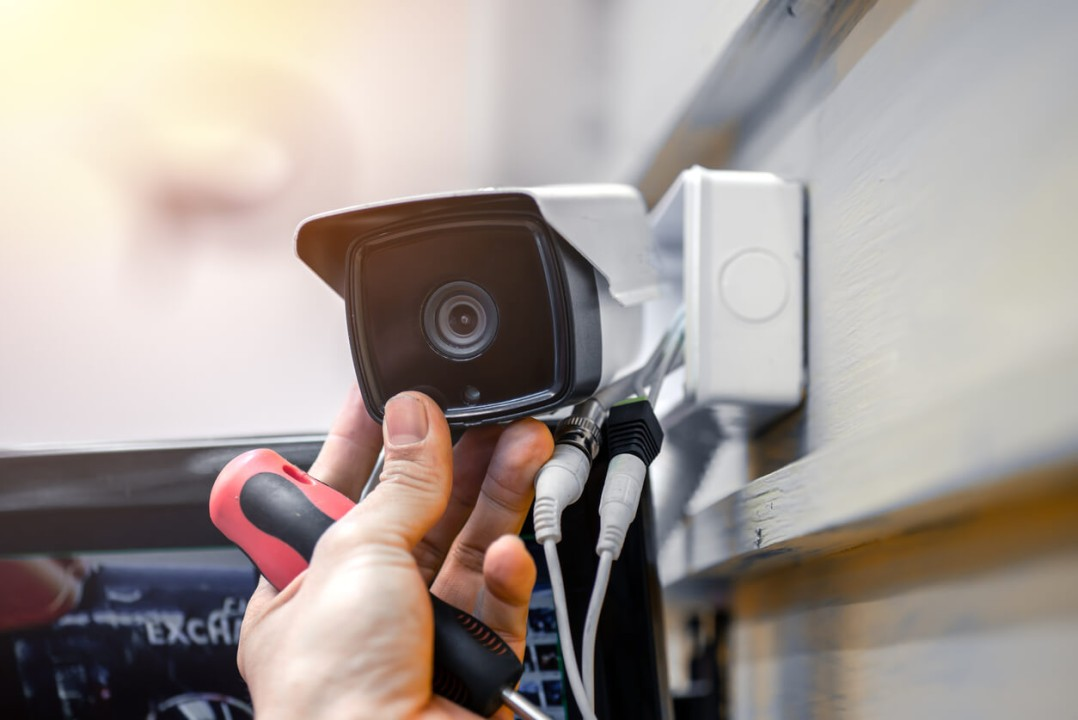
In today’s rapidly evolving world, securing properties has become more crucial than ever. Closed-circuit television (CCTV) systems play a vital role in safeguarding homes and businesses by providing continuous surveillance and deterring criminal activity. This article explores the critical aspects of CCTV installation, offering insights into the best practices and considerations for ensuring an effective security setup.
Understanding CCTV Installation
CCTV installation involves the strategic placement and setup of cameras to monitor and record activities within a designated area. Proper installation is essential to maximize the effectiveness of a CCTV system, as it influences the quality of surveillance and the system’s ability to capture relevant footage. Here, we delve into key elements to consider for a successful CCTV installation.
Assessing Security Needs
Before diving into the technicalities of cctv installation, it’s imperative to assess the specific security needs of the property. This assessment involves identifying vulnerable areas, determining the level of surveillance required, and setting clear objectives for the CCTV system. For instance, high-traffic areas might need high-definition cameras with wide-angle lenses, while less critical zones might suffice with standard models.
Selecting the Right Equipment
The choice of CCTV equipment directly impacts the effectiveness of the surveillance system. Several factors come into play when selecting the right equipment:
- Camera Types: There are various types of cameras available, including dome cameras, bullet cameras, and PTZ (pan-tilt-zoom) cameras. Each type offers distinct features and advantages depending on the installation environment and surveillance needs.
- Resolution and Image Quality: Higher resolution cameras provide clearer and more detailed images, which are crucial for identifying faces and other critical details. Choosing between HD, Full HD, and 4K resolution depends on the specific requirements of the surveillance system.
- Storage Solutions: CCTV systems require adequate storage to retain recorded footage. Options include Network Video Recorders (NVRs), Digital Video Recorders (DVRs), and cloud storage solutions. The choice depends on factors such as the amount of footage to be stored and accessibility preferences.
Planning the Installation Layout
Effective CCTV installation requires meticulous planning of the camera layout to cover all necessary areas. Consider the following aspects during the planning phase:
- Camera Placement: Strategic placement ensures that cameras cover all entry and exit points, blind spots, and areas of interest. Avoid positioning cameras where they could be obstructed or easily tampered with.
- Field of View: Ensure that each camera’s field of view overlaps with adjacent cameras to prevent gaps in coverage. Adjusting camera angles and zoom settings can help achieve comprehensive surveillance.
- Lighting Conditions: Proper lighting is crucial for capturing clear footage. Cameras should be installed in well-lit areas or equipped with infrared (IR) capabilities to function effectively in low-light conditions.
Professional Installation vs. DIY
While DIY CCTV installation might seem cost-effective, professional installation offers several advantages. Professional installers bring expertise in configuring systems, optimizing camera placement, and ensuring compliance with local regulations. They can also provide valuable insights and recommendations based on their experience, ultimately enhancing the overall effectiveness of the surveillance system.
Maintenance and Upgrades
Once the CCTV system is installed, regular maintenance is essential to ensure its continued functionality. This includes:
- Routine Checks: Periodic inspections of camera lenses, connections, and storage devices help identify and address any issues promptly.
- Software Updates: Keeping the system’s software up-to-date ensures compatibility with new technologies and improves security features.
- System Upgrades: As technology advances, upgrading cameras and storage solutions can enhance the system’s performance and capabilities. Consider periodic reviews to assess whether upgrades are necessary.
Conclusion
CCTV installation is a critical component of modern security systems, providing a robust means of monitoring and protecting properties. By understanding the key aspects of CCTV installation, including assessing security needs, selecting the right equipment, planning the layout, and considering professional installation, property owners can implement an effective surveillance system tailored to their specific requirements. Regular maintenance and timely upgrades further ensure that the CCTV system remains a reliable tool in safeguarding homes and businesses against potential threats.

