
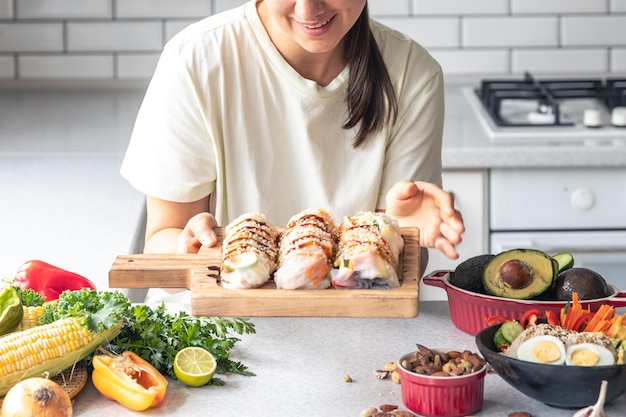
Korean cuisine has taken the culinary world by storm, captivating food lovers with its bold flavors, vibrant colors, and unique techniques. Bringing the essence of Korean dishes into your home kitchen is not as daunting as it might seem. With a bit of guidance and the right ingredients, you can unlock the home cooking secrets that make this cuisine so extraordinary.
Starting with the Basics
To master Korean cooking, you first need to familiarize yourself with the foundational ingredients. Staples such as gochujang (fermented red chili paste), doenjang (soybean paste), sesame oil, and soy sauce form the backbone of many authentic Korean dishes. These versatile ingredients add depth and umami to soups, stews, marinades, and sauces.
Don’t overlook kimchi, the quintessential Korean side dish. Whether it’s spicy napa cabbage or radish varieties, kimchi not only adds flavor but also introduces beneficial probiotics into your meals. Keep a jar in your fridge—it’s a gateway to dozens of delicious recipes.
Stocking Your Kitchen for Success
Equipping your kitchen with the right tools is just as important as having the ingredients. For example, a sturdy wok or cast-iron skillet will help you achieve the searing heat required for stir-fries. A rice cooker is another essential for perfecting fluffy, sticky rice—a must-have accompaniment to any authentic Korean dish.
For those venturing into soup and stew territory, consider investing in an earthenware pot. Known as a ttukbaegi, this traditional pot retains heat exceptionally well, making it ideal for dishes like soondubu jjigae (spicy tofu stew) or kimchi jjigae (kimchi stew).
Perfecting Key Techniques
Understanding core techniques is crucial when preparing Korean recipes at home. Fermentation, marination, and stir-frying are the trifecta of Korean cooking mastery.
- Fermentation: This ancient technique gives dishes like kimchi and gochujang their signature depth of flavor. While it takes time, fermentation is worth the effort, allowing you to enjoy long-lasting, complex flavors.
- Marination: Korean marinades combine soy sauce, sugar, garlic, sesame oil, and sometimes fruits like pear or apple for tenderizing meat. This blend creates mouthwatering dishes such as bulgogi (grilled marinated beef) and galbi (short ribs).
- Stir-Frying: Quick and high-heat stir-frying locks in flavors and textures. Popular dishes like japchae (sweet potato noodles with vegetables) showcase this method beautifully.
Creating Iconic Korean Dishes
Once you’ve nailed the basics, it’s time to recreate some beloved authentic Korean dishes in your kitchen.
Bibimbap
This colorful rice dish is a visual and gastronomic delight. Start with a base of steamed rice, then layer on sautéed vegetables, sliced beef, a fried egg, and a generous dollop of gochujang. Mix it all together just before eating for a harmonious blend of flavors and textures.
Samgyeopsal
Grilled pork belly is a communal favorite. Wrap a slice of grilled pork in a lettuce leaf, add garlic, ssamjang (a spicy dipping sauce), and rice for a satisfying bite. This dish brings the essence of Korean barbecue into your home.
Tteokbokki
For those who love spice, this street food classic is a must-try. Chewy rice cakes simmered in a fiery gochujang-based sauce make for an irresistible snack or side dish.
Banchan
No Korean meal is complete without banchan—the small side dishes that accompany the main course. Mastering simple dishes like spinach salad, stir-fried anchovies, or seasoned bean sprouts adds variety and authenticity to your spread.
Tips for Elevating Your Skills
To truly master Korean cooking, immerse yourself in its rich culinary culture. Explore the stories and traditions behind your favorite dishes, and don’t be afraid to experiment.
Seek out fresh, high-quality ingredients at a local Asian market. Many now offer pre-made sauces and mixes to simplify the process, though making your own adds a personal touch.
Also, consider pairing your creations with Korean beverages like soju or makgeolli (rice wine). These drinks complement the robust flavors of Korean recipes at home beautifully.
Experimenting with Modern Twists
While tradition is vital, Korean cuisine also thrives on innovation. Fusion dishes like kimchi quesadillas, bulgogi tacos, and gochujang pasta demonstrate how adaptable these flavors can be. Try adding a Korean twist to your favorite recipes for a fresh take on classic meals.
The Joy of Sharing
One of the greatest home cooking secrets in Korean cuisine is its emphasis on community and sharing. Meals are often served family-style, encouraging conversation and connection. Recreate this warmth in your home by inviting friends and family to join you for a Korean feast.
Final Thoughts
Cooking Korean food at home is an adventure that rewards you with bold flavors and the satisfaction of creating something truly unique. Whether you’re mastering authentic Korean dishes or giving your own spin to traditional recipes, every effort brings you closer to becoming a Korean cuisine connoisseur.
So, roll up your sleeves, stock your pantry, and let the journey to master Korean cooking begin. The secrets to culinary success are just a whisk and a sizzle away!


