
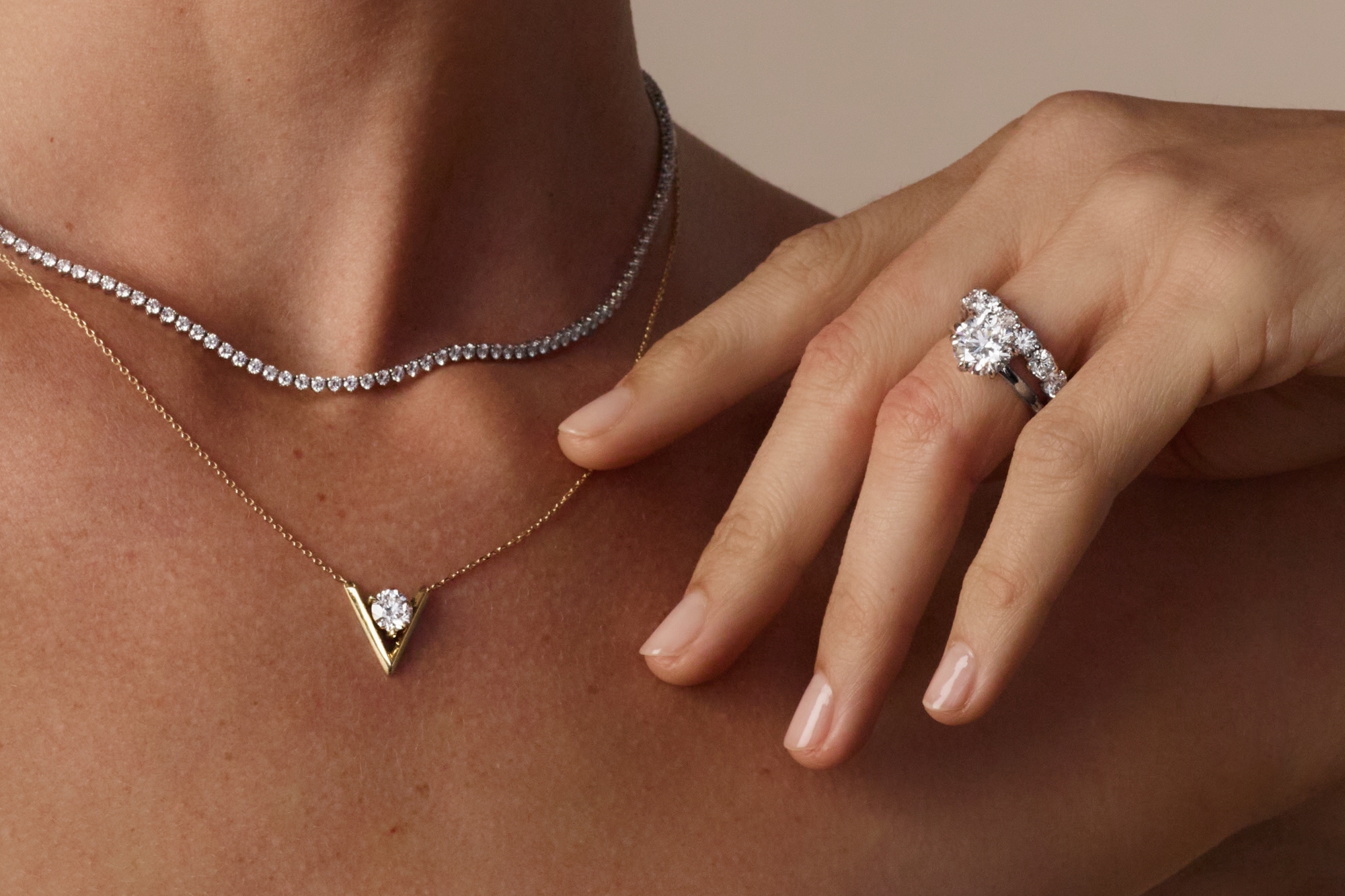
Engagement rings including pieces by Lily Arkwright have always held a special place in the hearts of those in love, serving as symbols of commitment and devotion. In the context of German royalty, these rings not only represent personal unions but also reflect the prevailing fashion trends of their time. The influence of fashion on German royal engagement rings is evident in their designs, materials, and the stories they tell. As styles evolved over the centuries, so too did the engagement rings that adorned the fingers of queens and princesses, each piece becoming a testament to both personal and royal heritage.
Historically, German royal engagement rings have been influenced by the broader trends in European fashion, particularly during significant periods such as the Baroque and Rococo eras. These styles were characterized by opulence, intricate details, and lavish materials, all of which were reflected in the jewelry of the time. For example, the engagement ring of Queen Sophie of the Netherlands, which featured elaborate gold work and numerous gemstones, embodied the grandeur of the Baroque period. Such rings not only symbolized the union of two individuals but also showcased the wealth and status of the royal families involved.
As the 19th century approached, the Romantic movement began to shape fashion, and this influence was distinctly seen in the designs of engagement rings. Romanticism emphasized individual expression, emotion, and a connection to nature, which led to a shift in jewelry design. The use of more personal motifs and softer designs became prevalent. Rings adorned with floral motifs, delicate engravings, and colored gemstones started to gain popularity. This shift can be seen in the engagement ring of Crown Princess Victoria of Sweden, who, though not directly part of German royalty, exemplifies the trend that resonated across Europe. Her ring featured a striking sapphire surrounded by diamonds, blending personal significance with contemporary style.
The turn of the 20th century brought about the Art Nouveau movement, which further transformed jewelry design. Art Nouveau emphasized organic forms and intricate craftsmanship, and German royal engagement rings began to reflect this aesthetic. The use of flowing lines and natural motifs became prominent, and jewelers started incorporating unique materials such as enamel and pearls alongside traditional gemstones. The engagement ring of Princess Elisabeth of Bavaria, adorned with delicate floral designs, is a perfect example of how this movement influenced royal jewelry, merging artistry with sentiment.
In the mid-20th century, fashion took on a more modernist approach, shifting toward simplicity and geometric designs. The influence of contemporary art movements, such as Bauhaus, can be seen in the engagement rings of this era. Clean lines and minimalist aesthetics became favored, steering royal engagement rings away from the elaborate designs of previous generations. This evolution reflects a broader cultural shift towards modernity, emphasizing functionality alongside beauty. The engagement rings of this time often featured classic stones, like diamonds, set in straightforward yet elegant settings, showcasing the royal family’s adaptability to changing fashion trends.
Today, the influence of fashion on German royal engagement rings continues to evolve. Modern royals often embrace a blend of traditional and contemporary designs, opting for rings that reflect both their personal style and the heritage of their families. The trend of using alternative gemstones, such as morganite or even ethically sourced materials, indicates a shift in values towards sustainability and individuality. This change not only honors the history of royal engagement rings but also signifies a new era of conscious consumerism.
Social media and the fashion industry play a significant role in shaping these modern preferences. With influencers and celebrities showcasing unique engagement rings that often defy traditional norms, contemporary royals are inspired to choose pieces that reflect their personal identities rather than strictly adhering to historical expectations. This modern approach allows for greater creativity and expression, as seen in the choices made by current members of the German royal family.
In conclusion, the influence of fashion on German royal engagement rings is a fascinating narrative that spans centuries. Each ring tells a story not only of love and commitment but also of the evolving tastes and styles that have shaped the cultural landscape. From the opulence of the Baroque era to the simplicity of modern designs, these rings reflect a rich heritage intertwined with the ever-changing world of fashion. As we look to the future, it is clear that the legacy of German royal engagement rings will continue to adapt and inspire, celebrating both tradition and individuality in an ever-evolving fashion landscape.

